



Selling a Bay Area home with unpermitted work is legal and straightforward when handled correctly. California requires full disclosure of known unpermitted modifications on the Transfer Disclosure Statement (TDS) - and that transparency, combined with the right pricing strategy and the right buyer, is how these sales close successfully. This guide covers your three main options: selling as-is with disclosure, retroactively permitting the work before listing, and selling to a cash buyer who understands and accounts for unpermitted work as part of their offer.
What Constitutes Unpermitted Work? Understanding the Basics
Homeowners must know what unpermitted work is before selling. Here’s what you need to know:
Definition: Unpermitted work is any changes to a property made without the required local building permits. This could range from a simple electrical upgrade to a complete room addition.
Common examples: DIY kitchen remodels, garage conversions, and unapproved added bathrooms or decks.
Why permits matter: They ensure safety and compliance with local building codes. They help ensure that the work meets standards and safety rules. These protect homeowners and the community.
Implications of Unpermitted Work on Property Sales
Selling a home with unpermitted work has legal risks. These relate to local building codes and regulations. Here are some key considerations to keep in mind:
Legal Risks
Disclosure Requirements. In many states, including California, sellers must disclose any unpermitted work to buyers. Not providing this info can cause serious legal issues, like lawsuits for misrepresentation or fraud. Buyers who find unpermitted work may seek compensation or repairs after the sale.
Code Violations. Unpermitted work often means that changes do not meet local building codes. If local authorities learn of these violations, they can issue fines. They may also require the homeowner to fix the work, which can be costly. This is very risky. If found during an inspection or appraisal, it could derail the sale.
Penalties and Fines. Homeowners may face penalties if local authorities find unpermitted work before a sale. These penalties include fines and stop-work orders. It may mean a fine or the removal of the unpermitted structures. It depends on the issue’s severity.
Difficulty with Financing. Many mortgage lenders are wary of financing properties with unpermitted work. They fear code violations or safety issues. This can limit buyers to those who can pay in cash or are willing to fix the issues themselves.
Retroactive Permit Requirements. Homeowners may need a retroactive permit before selling in some cases. This process can involve inspections, fees, and costly code updates. It can be time-consuming.
Consequences of failing to disclose unpermitted work to potential buyers.
Legal Liability. If unpermitted work is found after the sale, the buyer may sue the seller for misrepresentation or nondisclosure. In California, sellers must disclose known issues with the property. This includes unpermitted work. Not doing so could make the seller liable for repairs, legal fees, or damages awarded to the buyer.
Financial Penalties. A court ruling for the buyer may require the seller to pay for fixing the unpermitted work. This could include costly retroactive permits, structural adjustments, or removing unpermitted additions.

Cancellation of the Sale. If buyers find undisclosed, unpermitted work in the inspection, they may back out of the deal. This can cause delays and extra costs as the property goes back on the market at a lower price.
Damage to Reputation. The word can spread quickly in local real estate markets. This is especially true when a seller fails to disclose important information. A damaged reputation can hurt sellers in future real estate deals. This is true, especially if they have many complaints or legal issues.
Code Enforcement Actions. If the sale or a complaint alerts local authorities to the unpermitted work, they could issue fines or require fixes. They may shut down the property until they fix the issues. This would further complicate the seller’s position.
Best Practices for Unpermitted Work Disclosure
Honesty is always the best policy when selling a property with unpermitted work. Here’s how to approach it:
Full Disclosure Is Key. It’s a legal obligation to disclose any known unpermitted work. This includes explaining the work’s nature, its timing, and its impacts on the property.
Communicating Effectively. Be upfront about the unpermitted modifications when talking with buyers or their agents. This can build trust and help avoid surprises during inspections.
The Role of Honesty. Buyers may consider a property with unpermitted work if the seller is transparent. This can also help when it comes to negotiating the final terms of the sale.
Ways to Sell a Home with Unpermitted Modifications
When selling a house with unpermitted work, you have several options to consider. Here’s a breakdown:
In the Bay Area, a meaningful percentage of buyers - particularly investors, landlords, and experienced buyers familiar with older housing stock - actively seek properties with unpermitted work because they understand the risk and price it in accordingly. In markets like Oakland and East Palo Alto, where garage ADUs and room additions are extremely common, buyers who have purchased similar properties before know what retroactive permits cost and what to expect from the process. Pricing the property to account for the permitting gap, being transparent in the listing, and targeting the right buyer pool are the core elements of a successful as-is sale with unpermitted work.
Selling a home as-is means the buyer accepts its current state, including any unpermitted changes. This can simplify the process and save you from the costs of retroactive permits or repairs.
- Pros: No costly repairs. It closes faster. It attracts investors and cash buyers.
- Cons: This may result in a lower sale price and a smaller pool of interested buyers.
Attracting cash buyers is often the most efficient path for homes with significant unpermitted work. Cash buyers are not subject to lender appraisals or financing contingencies that flag unpermitted modifications - they evaluate the property as-is, account for any permitting costs in their offer, and close without the approval delays that kill financed deals. John Buys Bay Area Houses specializes in exactly these transactions across the Bay Area, purchasing properties with unpermitted work at fair prices and closing on timelines that work for the seller.
Fixing unpermitted work. If you’re thinking of fixing the work before listing, weigh the costs and benefits.
- Costs Involved: The price to legalize unpermitted work varies widely. It depends on the scope of the modifications. This could involve fees for permits, professional inspections, and necessary repairs.
- DIY vs. Hiring a Pro: It may be tempting to do some projects yourself. But larger issues usually need a pro to meet local building codes.
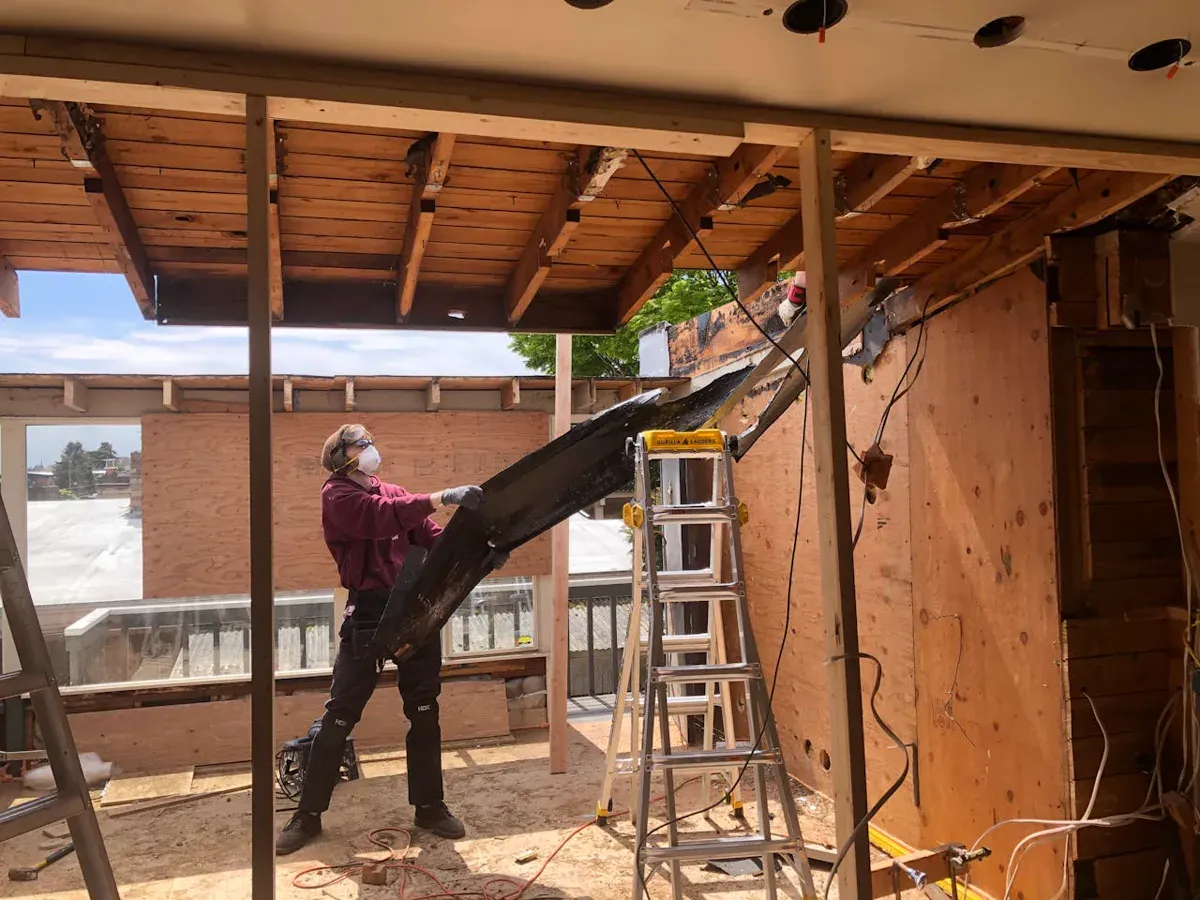
What to Expect with Unpermitted Work
Unpermitted work can affect the inspection process and buyers’ perceptions. Here’s what to expect:
Home Inspections: Buyers will often hire inspectors to check the property. If unpermitted work is found, it may lead to renegotiations or repair requests.
Unpermitted modifications may hurt financing or the buyer’s decision. Inspectors may note them in their reports. Understanding this ahead of time can help you prepare for these discussions.
Tips for Preparing for Inspections: Clean the property. Provide all details about the unpermitted work. Prepare to answer questions honestly.
Effective Marketing Strategies for Homes with Unpermitted Work
Even with unpermitted work, strategic marketing can attract buyers. They are more open to such properties.
Target the right buyers: Focus on investors, flippers, and cash buyers. They seek to add value to properties. Highlight the potential for renovation or future appreciation.
Emphasize the property’s strengths. You must disclose unpermitted work. Still, you can highlight the property’s location, lot size, and unique architecture. These add value.
Transparency in listings. Use the listing to address the unpermitted work, but focus on why the property is a good investment. Being upfront can save time. It can attract serious buyers who know what they’re getting into.
Finding the Right Path Forward: Selling a Home with Unpermitted Work
Selling a Bay Area home with unpermitted work is a solvable problem. Sellers who disclose accurately, price honestly to reflect the cost of permits or the as-is condition, and target the right type of buyer - whether an investor comfortable with unpermitted additions or a cash buyer who handles the process entirely - close successfully every day. The worst outcomes come from non-disclosure: California’s seller liability laws are clear, and the post-close exposure for knowingly concealing unpermitted work outweighs any perceived benefit of staying quiet about it.
For Bay Area property owners in Alameda, Albany, or Concord dealing with unpermitted work and looking for a straightforward path to closing, a cash sale offers a fresh start - no retroactive permit process, no open houses with complicated disclosure conversations, and a close on your timeline. Request a no-obligation cash offer on your property today.
FAQs about How to Sell a House with Unpermitted Work
What should I do if I discover unpermitted work before selling my home?
If you find unpermitted work, you can either: 1. Disclose it to buyers and sell it as-is, or 2. Consult a contractor about bringing it up to code before listing. Weigh the costs and benefits of each option to decide what makes the most sense for your situation.
Is it legal to sell my house with unpermitted work without disclosing it?
No, it’s not. California law requires sellers to disclose any known unpermitted work to potential buyers. Not doing so can lead to legal issues, including buyer lawsuits for misrepresentation.
How do cash buyers typically view homes with unpermitted work?
Cash buyers are often more open to purchasing properties with unpermitted work. They see the potential to add value. They are not bound by traditional financing rules. This makes the process quicker and more straightforward.
What are the potential costs associated with legalizing unpermitted work?
The costs depend on the scope of the modifications. They can include fees for permits, inspections, and upgrades to meet building codes. It’s best to get estimates from contractors to understand the full financial picture.
How can unpermitted work affect my home insurance coverage?
Unpermitted work can affect home insurance. This is true if it causes damage or safety hazards. It’s wise to check with your insurer. The unpermitted work may affect your policy.