


Whether you own a vacant lot in San Jose, an inherited parcel elsewhere in the Bay Area, or raw acreage you’ve been holding onto without a plan, here are five things every land seller in San Jose should know before deciding how to sell - along with the California-specific details that affect how these transactions actually play out. Understanding these factors upfront helps you evaluate your options clearly and choose the path that fits your timeline and goals.
1. Cash Land Buyers Close Faster and With Less Risk
Professional land buyers in San Jose typically close faster than traditional buyers because they pay cash and do not depend on bank financing. Land loans are harder to qualify for than residential mortgages - lenders view bare land as a higher-risk asset, require larger down payments (often 20-50%), and charge higher interest rates. Many traditional buyers who express interest in a vacant lot simply cannot secure financing, which turns promising deals into wasted time.
Cash investors eliminate that risk. There is no underwriting, no appraisal contingency, and no last-minute financing collapse. Commissions are also typically not involved - the standard 3% per side that applies in residential transactions adds up fast on land. On a $200,000 parcel, that’s $12,000 in commissions before closing costs. Many professional land buyers also waive transaction fees or keep them minimal, and most accommodate mail-away closings for sellers who are out of state or cannot attend in person.
At John Buys Bay Area Houses, we work with land owners across San Jose and the broader Bay Area - including parcels in Marin County, Solano County, and communities throughout the East Bay like Vine Hill. Call us at (510) 283-9871 to get a no-obligation offer on your land.
2. Land Sells As-Is - No Preparation Required
Professional land buyers in California purchase parcels as-is. There is no need to clear the land, improve drainage, put up fencing, or make any other changes before closing. The investor is pricing the land based on its current state, its location, its zoning, and what they plan to do with it - not on whether it looks presentable for a showing.
Many investors prefer that no improvements have been made - fences, sheds, or partial site work can actually complicate a deal if the investor’s development plans don’t align with what was built. This works entirely in your favor as a seller: you spend nothing preparing the property and simply sell it in its current condition. Some investors also skip formal inspections and surveys entirely if existing public records provide sufficient detail, making it a genuinely frictionless as-is transaction.
This is particularly valuable for sellers who inherited a parcel and have never visited it, or who own a lot that has been sitting vacant for years with accumulated brush, debris, or overgrowth. None of that affects the transaction with a cash buyer who already plans to address the land’s condition as part of their development or resale process.
3. Sell With Confidence - No Showings or Uncertainty
Listing vacant land through a real estate agent typically means a long wait. Land listings sit on the market far longer than residential properties on average - six months to two years is not unusual for vacant lots in the Bay Area, particularly those without clear development paths. During that time, you continue paying property taxes and any holding costs while fielding inquiries from buyers who may or may not be serious or qualified.
Selling directly to a cash investor eliminates the showing process entirely. Most investors can evaluate a parcel using publicly available records - assessor data, satellite imagery, zoning maps, and title documents - without requiring you to drive out to the property or coordinate access. You do not have to worry about liability during showings or manage the back-and-forth of buyer inquiries. The process is direct: you provide basic information, receive an offer, review the terms, and decide.
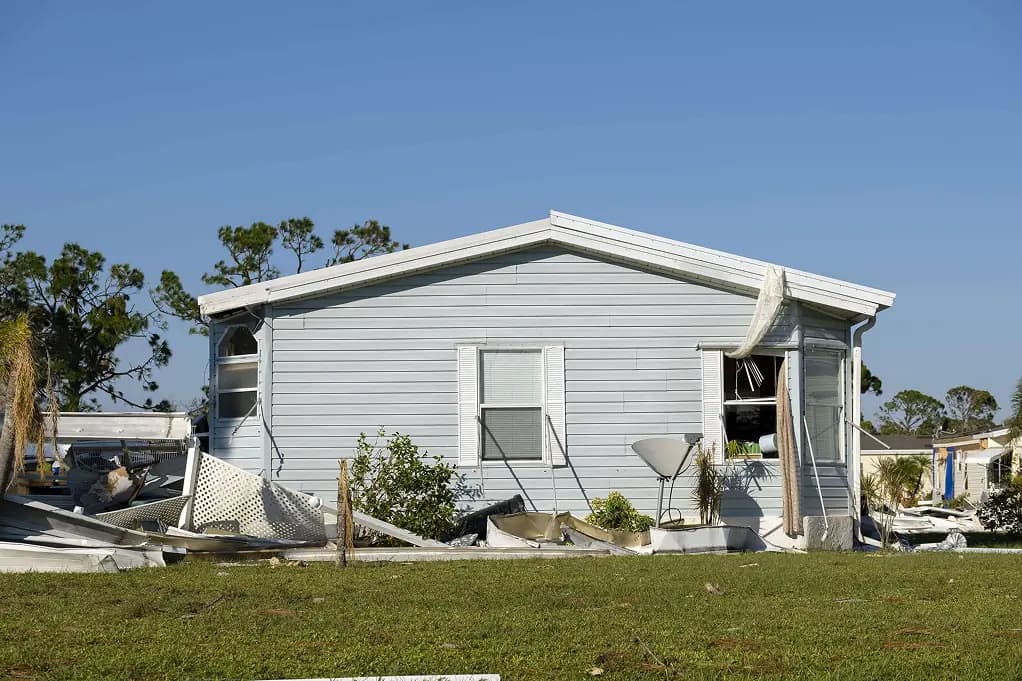
For absentee owners - sellers who live out of the Bay Area or inherited a parcel they have never visited - the direct sale process is especially practical. You don’t need to fly out to San Jose to manage a listing, deal with vandalism or encroachment issues on a vacant lot, or pay a local agent to represent a property type that many agents are not experienced with. A cash buyer handles the process remotely, keeps you informed at each step, and wires your proceeds at closing without requiring your physical presence.
4. Legal Simplicity and Reduced Disclosure Risk
California has extensive seller disclosure requirements for residential property, but land transactions carry their own disclosure obligations - including natural hazard disclosures, easement and encumbrance disclosure, and any known environmental issues. Under a traditional sale, a buyer who believes material facts were not disclosed can pursue legal action after closing, and land sales are not immune to this risk.
Professional land investors understand they are purchasing as-is and take on the research burden themselves. The purchase agreement is typically a short, straightforward as-is contract rather than the lengthy standard residential agreement. This reduces post-closing dispute risk and gives sellers a much cleaner transaction from a legal standpoint. The investor knows what they are buying, they have done their due diligence, and the deal closes without the contingencies and negotiation layers that characterize traditional listings.
One area worth particular attention in California land sales is natural hazard disclosure. If your parcel is in a fire hazard severity zone, flood zone, earthquake fault zone, or other designated hazard area, that information must be disclosed. In practice, Bay Area land is frequently in one or more of these zones - hillside parcels face fire risk, valley floor parcels may have flood designations. A cash investor who works in the Bay Area market already knows to look for these factors and prices them in accordingly, rather than using them as leverage to renegotiate after the initial offer.
5. What Investors Look for in San Jose Land
Land in San Jose and Santa Clara County is attractive to investors for several reasons specific to the Bay Area market. Infill development - building on vacant lots within existing neighborhoods - is in strong demand given the region’s severe housing shortage. Lots zoned for residential, mixed-use, or commercial development near transit corridors, job centers, or established neighborhoods draw the most investor interest and command the strongest offers.
Key factors investors evaluate include: parcel size, zoning classification (R1, R2, R3, commercial, mixed-use), access to utilities (water, sewer, electricity at or near the property line), slope and grading requirements, proximity to transit, and whether the lot has been previously entitled or had permits pulled. Lots with clear development potential and no major encumbrances receive offers quickly. Even lots with challenges - irregular shapes, access issues, or environmental constraints - can attract investors, though the offer will reflect the additional development risk they are assuming.
How Selling Land Differs from Selling a House in California
The mechanics of a land sale differ from a residential sale in several important ways that California sellers should understand. There is no standard CAR residential purchase agreement for vacant land - transactions typically use a simpler land purchase and sale agreement or a custom contract. Escrow and title insurance work similarly to residential transactions but without the appraisal and lender requirements.
Title searches are particularly important in land sales. Easements, access rights, mineral rights, and recorded encumbrances can all affect value and usability. A title company will identify these issues, but the seller should be aware of them before negotiating. Investors who are experienced in land acquisition will typically handle the title review as part of their due diligence - which means less work for you, but it also means they will factor any title complications into their offer.
Capital gains tax treatment is another consideration. Land sales do not qualify for the primary residence exclusion ($250,000 single / $500,000 married) that applies to home sales. If you have owned the land for more than one year, gains are taxed at long-term capital gains rates. For inherited land, the stepped-up basis rules may significantly reduce or eliminate your taxable gain - worth confirming with a tax advisor before closing. California also taxes capital gains as ordinary income at the state level, which means Bay Area sellers in higher income brackets can face combined federal and state capital gains rates exceeding 30%. Structuring the closing date strategically within a tax year, or exploring a 1031 exchange if you plan to reinvest the proceeds in another property, may be worth discussing with your tax advisor.
Understanding Zoning When Selling Land in San Jose
Zoning is the single biggest factor in determining what a San Jose land parcel is worth to an investor. The City of San Jose’s General Plan and zoning code govern what can be built on any given parcel, and understanding your parcel’s zoning classification before you negotiate gives you better leverage in the conversation.
Common zoning categories that attract strong investor interest in San Jose include R-2 and R-3 (multi-family residential), mixed-use corridor zones near downtown and transit hubs, and commercial zones with residential overlay potential. Parcels with higher-density zoning or approved entitlements (permits, environmental review, grading approvals) are significantly more valuable than raw unentitled land because the investor doesn’t have to navigate the entitlement process themselves.
Even if you don’t know your parcel’s zoning off the top of your head, the City of San Jose’s online zoning portal allows any property address to be looked up in seconds. Knowing this information before your first conversation with an investor means you can have a more informed discussion about value.
How the Land Sale Process Works: From Offer to Close
For sellers who have not been through a cash land sale before, here is what to expect from start to finish when working with a professional buyer in the Bay Area:
- Initial inquiry: You reach out by phone or online form with basic information about your parcel - address or APN (Assessor’s Parcel Number), approximate size, zoning if you know it, and your general timeline. No need to gather documents first.
- Parcel research: The buyer reviews publicly available records - assessor data, zoning maps, recorded easements, aerial imagery, and comparable sales. Most of this can be done without visiting the site, so this step is typically fast.
- Cash offer: You receive a written offer with a clear price and proposed terms. You are under no obligation to accept, and a legitimate buyer will give you time to review the offer without pressure.
- Title and escrow: If you accept, the buyer opens escrow with a title company, which conducts a title search to confirm ownership, identify any liens or encumbrances, and ensure a clean transfer. Most issues can be resolved as part of the transaction.
- Signing and closing: You review and sign the purchase agreement and escrow documents - which can often be done by mail or notarized remotely. Funds are wired or delivered by certified check on the closing date.
The entire process from initial inquiry to closing can take as little as one to two weeks for a clean title parcel with no complications. More complex situations - estates, unclear title history, boundary disputes - take longer but are often still resolvable with the right buyer and a competent title company.
Common Questions from Land Sellers in San Jose
Will I get a fair price for my land? Cash investor offers on land are typically below what the open market might yield at peak conditions, because the investor is taking on development risk, carrying costs, and the entitlement process themselves. However, when you factor in the carrying costs of holding land (property taxes, HOA fees if any, opportunity cost), the commission savings, and the time value of a fast close versus a twelve to twenty-four month listing, the net proceeds from a direct cash sale are often competitive. For land with significant challenges - access issues, contamination, or title problems - a cash buyer may be the only practical option available.
What if I don’t know the parcel boundaries or have the deed? This is common with inherited land or property owned for many years. Assessor records, recorded deeds, and title searches can typically establish boundaries and ownership without requiring you to track down original documents. A good land buyer will guide you through what information they need and help identify where to find it.
Do I need to pay off existing liens before selling? Typically no - liens are paid from escrow proceeds at closing. If the parcel has a lien that exceeds its value, that creates a more complex situation, but even underwater land can sometimes be resolved through a negotiated payoff or short sale process. Discuss this with the buyer and escrow officer upfront.
What about land that has environmental issues? Some investors specialize in contaminated or environmentally challenged parcels. If your land has known or suspected contamination - underground storage tanks, agricultural chemicals, prior industrial use - disclose this upfront. Buyers who work with these situations will factor remediation costs into their offer, and you avoid future liability by ensuring the issue is properly disclosed and addressed in the transaction.
Ready to Start Fresh? Here’s How to Move Forward
Whether you’re ready to sell now or still evaluating your options, getting a cash offer costs nothing and creates no obligation. The offer gives you a concrete data point: a number you can compare against what the open market might yield, factoring in the time, commissions, and uncertainty that come with listing. For many Bay Area land sellers, the cash offer is competitive enough - and the simplicity is valuable enough - that the direct sale is the clear choice.
John Buys Bay Area Houses purchases vacant land, lots, and parcels throughout San Jose and the surrounding Bay Area. We handle the title work, coordinate escrow, and keep the process as simple as possible so you can focus on what comes next - a fresh start without the weight of a property you’re no longer using. Contact us today or call (510) 283-9871 to get a no-obligation offer on your land. No pressure, no rush - we’re here when you’re ready.
Have questions before you’re ready to get an offer? That’s fine too. Send us a message and we’ll answer them honestly, with no sales pressure and no obligation to move forward until you’re ready. We work with land sellers across San Jose and throughout the Bay Area, and we’re happy to talk through your specific situation.