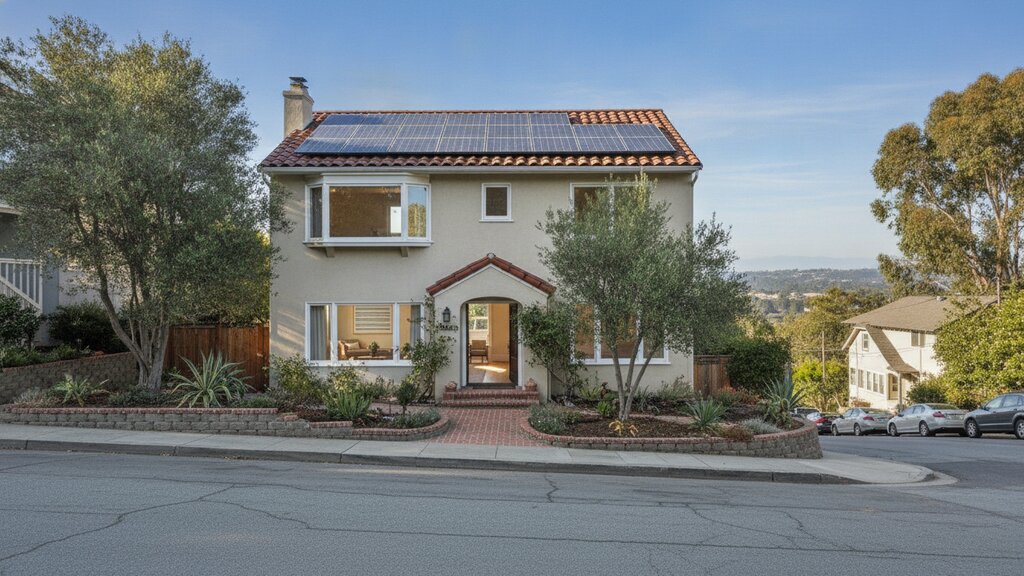




This guide covers the complete picture of California closing costs: what each fee covers, who pays it, how the Bay Area compares to the rest of the state, and where legitimate negotiation is possible. Whether you’re a buyer preparing for your first California purchase or a seller calculating your net proceeds before listing, understanding these costs in advance is how you avoid surprises and make better decisions throughout the transaction.
What Are Closing Costs?
Closing costs cover the fees, taxes, and expenses to complete a real estate deal. These costs ensure we meet all legal, financial, and administrative standards. Planning for these expenses is key, as they generally range from 2% to 5% of the property’s sale price. Common closing costs include:
Title Insurance: Protects both the buyer and the lender against future title disputes.
Escrow Fees: It covers the cost of the escrow service. They handle the funds transfer and paperwork.
Loan Origination Fees: Fees are applied by the lender to cover the cost of processing the mortgage.
Appraisal and Inspection Fees: Confirm the property’s value and condition.
Overview of California Real Estate Closing Costs
In California, closing costs are usually higher than the national average. This is due to the state’s strong market and high property values. Buyers usually pay 2% to 3% of the home’s price. Sellers may cover extra costs, including agent commissions, which are usually split. California’s local market trends can affect closing costs. So, it’s helpful to know these fees for smooth transactions.
Buyer’s Closing Costs in California
For buyers, closing costs cover a variety of essential fees and services:
Loan Origination Fees: Lenders charge these fees to process the loan, and the fees may vary by lender.
Appraisal Fees: A third-party appraisal ensures the property’s worth matches the price. It typically costs $300-$600.
Home Inspection Fees: A professional inspection assesses the property’s condition, often costing $300-$500.
Title Insurance: Protects the buyer’s investment and is generally mandatory for lenders.
Escrow Fees: Shared between the buyer and the seller, escrow fees in California average around $500-$2,000.
Prepaid Property Taxes and Insurance: Cover initial payments to ensure that insurance and taxes are current.
Typical Buyers’ Closing Costs
In California, buyers can expect their closing costs to range from 2% to 3% of the home’s purchase price. For a $500,000 home, that’s about $10,000 to $15,000, though costs may vary by region and transaction specifics.
Seller’s Closing Costs in California
Sellers also have several expenses to consider when closing a real estate sale:
Real Estate Agent Commissions: Typically 5%-6% of the sale price, split between the buyer’s and seller’s agents. On a $1 million Bay Area sale, that’s $50,000 to $60,000 - the largest single line item in most seller closing cost statements. California sellers who want to eliminate this expense can explore a cash sale, where no listing agent is involved. A cash buyer like John Buys Bay Area Houses purchases as-is with no agent commissions on either side.
Title Insurance: Sellers in California often cover the cost of title insurance for the buyer.
Transfer Taxes: These vary significantly by county and city. San Francisco applies a progressive rate schedule - properties under $250,000 are taxed at 0.5%, while sales over $10 million face rates up to 3%. For most Bay Area sellers transacting in the $800,000 to $1.5 million range, transfer taxes alone can run $4,000 to $15,000. For a detailed breakdown, see our San Francisco Transfer Tax guide.
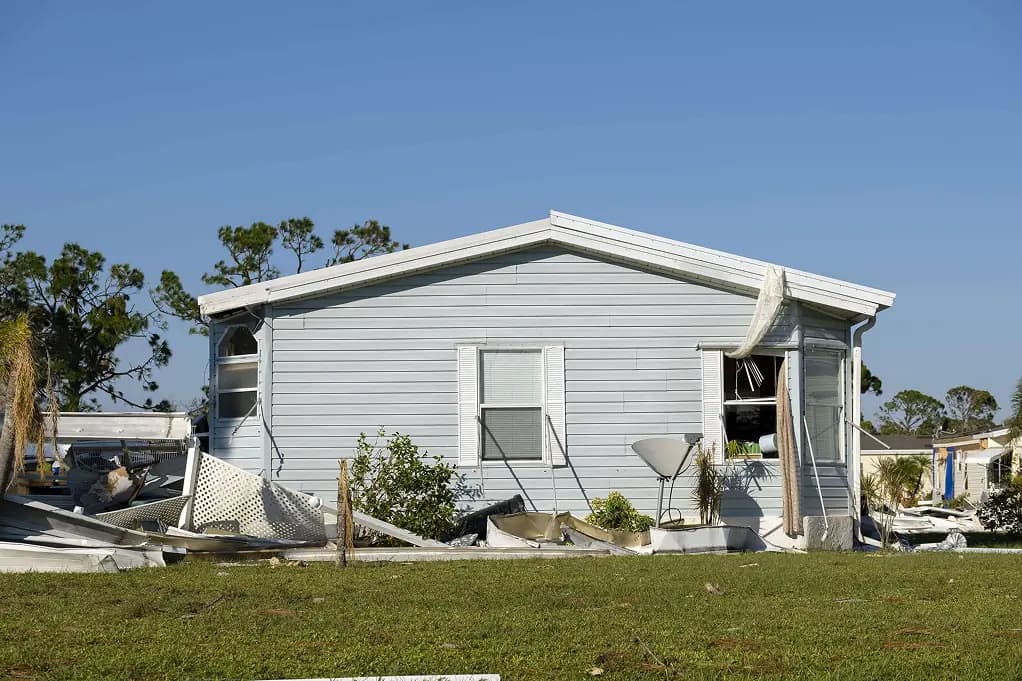
Repairs or Concessions: To attract buyers, some sellers will cover repairs or provide concessions. This is especially true if there are known issues with the property.
Expected Seller’s Closing Costs
California sellers usually spend 5%-8% of the sale price on closing costs. Real estate commissions are one of the biggest expenses.
Closing Costs Breakdown in California
Knowing what each closing cost covers can help buyers and sellers budget better.
Cost Component and Average Cost Range
1. Loan Origination Fees: 0.5% - 1% of the loan amount
2. Appraisal Fees: $300 - $600
3. Escrow Fees: $500 - $2,000
4. Title Insurance: 0.5% - 1% of the sale price
5. Transfer Taxes: Varies by location.
6. Inspection Fees: $300 - $500
How to Use a Closing Cost Calculator in California
A closing cost calculator allows you to estimate your expected closing expenses. This will help you create a successful budget. It helps you plan and anticipate costs in California’s real estate market. It gives you a solid foundation. Here’s how to make the best use of it:
1. Gather Basic Information
Collect key details about the property. These include the estimated sale price, loan amount, and ZIP code. You’ll need this information to get the most accurate results.
2. Choose Your Role
Most calculators ask if you are the buyer or seller, as each side incurs different costs. Choose the role that best fits your situation.
3. Input the Purchase Price
Enter the property’s estimated sale or sale price. This amount will influence several closing costs, including title insurance and escrow fees.
4. Enter Loan Details (if applicable)
If you’re buying and planning to finance, enter the loan amount or loan-to-value ratio (LTV). The calculator uses this to estimate loan-related fees, like origination and mortgage insurance.
5. Specify Property Location
California closing costs can vary by county, so enter the property’s ZIP code or county. This helps the calculator account for local transfer taxes and other location-specific costs.
6. Review Estimated Closing Costs
The calculator will show an estimate of your closing costs. It will usually break them down by category, like escrow fees, title insurance, and lender fees. Review each cost to understand what goes into your total.
7. Adjust for Additional Fees or Negotiations
Use the calculator as a baseline. If you plan to negotiate closing costs or expect extra fees, like HOA transfer fees, consider adding those costs manually to get a better estimate.
8. Print or Save the Estimate
Keep a copy of the estimate for reference. You can use it to compare with actual costs or as a discussion point with real estate professionals.
Negotiating Closing Costs in California
Negotiating closing costs can save you a lot. This is crucial in California’s competitive market. Here are some effective strategies:
1. Request Seller Concessions
Often, buyers can ask the seller to cover part of the closing costs as part of the purchase agreement. This is especially possible if the property has been on the market for a while or if you’re in a buyer’s market.
2. Shop Around for Lender Fees
Loan origination fees and other lender costs show significant variation. Compare lenders for lower fees. Or, consider a lender credit. It means the lender covers some costs for a higher interest rate.
3. Negotiate Title and Escrow Fees
You may be able to negotiate title and escrow fees. This is especially true if you choose the title company and escrow service. Some companies may offer discounts if you bundle services, so ask about options.
4. Look for No-Closing-Cost Loans
Some lenders offer “no-closing-cost” loans where they absorb some of the fees. Keep in mind, though, that this often comes with a higher interest rate.
5. Consider FSBO Transactions
In FSBO deals, you may be able to negotiate costs, such as commissions and transfer fees, with the seller.
6. Ask for Credits for Repairs or Improvements
If the inspection reveals issues, you can request a credit from the seller to cover repairs. This can lower your closing costs by cutting your post-buy expenses.
7. Time Your Purchase Strategically
Closing at the end of the month can sometimes reduce prepaid interest costs. By reducing your initial interest payment, you lower one part of your closing costs.
8. Use a Closing Cost Calculator
Start with an estimate using a closing cost calculator. It helps you spot negotiable fees. It gives you a clear picture to discuss with lenders and sellers.
Typical Closing Costs in California for 2025
In California, closing costs are 2% to 3% of a home’s sale price for buyers. Sellers often face extra costs, like agent commissions. In 2025, the average closing costs reflect a few market trends:
Higher Home Prices: In California, rising property values may raise closing costs above the national average. They are based on percentages.
Rising Interest Rates: Fluctuating rates can affect loan-related fees, like origination costs. This may increase closing costs.
Increased Demand for Cash Buyers: Cash transactions often lower closing costs for buyers. They cut lender fees. This is appealing to homeowners seeking a quick sale.
For a typical $500,000 home, buyers can expect about $10,000-$15,000 in closing costs. In highly sought-after areas, sellers may pay 5%-8% of the sale price in fees. They cover a larger portion of the fees. A clear estimate helps homeowners prepare for California’s fast-moving market.
Special Situations: FSBO and Refinancing Closing Costs in California
Selling For Sale By Owner (FSBO) or refinancing both involve unique closing costs.
FSBO Transactions: Selling FSBO eliminates the listing agent commission - potentially $25,000 to $60,000 on a Bay Area sale - but transfer taxes, title insurance, and escrow fees still apply. For Bay Area sellers who want commission-free simplicity without the complexity of FSBO, a cash sale through John Buys Bay Area Houses offers a comparable path: no agent fees, no open houses, and a closing timeline you set.
Refinancing Closing Costs: Refinancing has costs like appraisal, title, and escrow fees. It may also include mortgage insurance premiums. Refinancing closing costs are usually lower than sale costs. But they still need planning.
Closing Costs Made Clear: Final Tips for California Buyers and Sellers
California closing costs reward preparation. Buyers who understand each line item - loan origination, appraisal, title insurance, escrow, and prepaid taxes - can negotiate intelligently and avoid being caught off-guard by fees that vary significantly between providers. Sellers who calculate their full cost exposure before listing, including agent commissions, county transfer taxes, and any concessions they may need to offer, make better pricing decisions from the start. In the Bay Area, where transactions regularly exceed $1 million, careful planning around closing costs can mean $10,000 to $30,000 more in your net proceeds.
For Bay Area property owners in Orinda, Sausalito, or Newark who want to sell without agent commissions or the complexity of a traditional closing, a direct cash sale provides a fresh start with a simplified cost structure - no listing agent fees, a straightforward escrow, and a close on your schedule. Request a no-obligation cash offer to see your net proceeds without traditional closing cost overhead.
FAQs about How Much Are Closing Costs in California
What are the typical closing costs for buyers in California?
In California, buyers usually pay 2%-3% of the home’s purchase price. This covers fees like loan origination, appraisal, inspection, title insurance, and escrow.
Are closing costs negotiable in California?
Yes, some closing costs are negotiable. In FSBO deals, buyers can request seller concessions, shop for lender fees, and negotiate other fees.
How can I estimate my closing costs in California?
Use a closing cost calculator for a rough estimate. It will use your property’s sale price, location, and loan details. Consulting with a real estate professional can provide a more detailed view.
What are the closing costs associated with selling a home in California?
Sellers typically pay agent commissions, title insurance, transfer taxes, and possibly repair concessions. These costs usually range from 5% to 8% of the sale price.
Do refinancing closing costs differ from purchase closing costs in California?
Yes, refinancing closing costs are often lower than purchase costs. But they still include appraisal, title, escrow, and lender fees.