



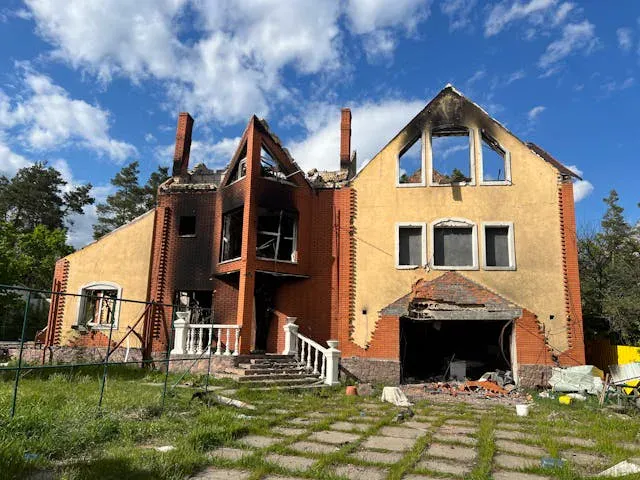
This guide walks through every decision point: what to do immediately after a fire, how to assess whether repairs make financial sense, how to work with your insurance company, and how a cash sale compares to a traditional listing. For Bay Area homeowners who have dealt with wildfire smoke damage, kitchen fires, or electrical fires, the path forward depends on the extent of damage, your timeline, and how much capital you’re able to commit to the process. In a region where labor costs and contractor availability are already constrained, the timeline for full fire restoration is often longer than sellers anticipate - which makes understanding all available options before committing to a course of action especially important.
This guide covers all you need to know about selling a fire-damaged house. It includes practical steps, smart strategies, and key considerations. This guide covers whether you want to repair and sell traditionally or sell as-is to cash home buyers.
In the Bay Area, fire-damaged homes are routinely purchased by investors and developers who specialize in remediation - which means the as-is buyer pool is real and active. If repairs are extensive or your insurance payout doesn’t cover the full cost of restoration, selling to a cash buyer avoids the gap entirely. See what a cash offer looks like for your fire-damaged home
Steps to Take After a Fire
Recovering from a fire can feel overwhelming. However, taking the right steps early on can truly make a difference. These actions, from assessing the damage to considering repairs, help sell your home. They also help you move forward with confidence.
Fire Damage Inspection
- Bring in a professional inspector to check the full scope of the damage.
- A detailed report helps determine what repairs, if any, are needed before selling.
Fire Damage Restoration
If you want repairs, fire restoration services can revive your property. Restoration typically involves:
- Comprehensive Cleaning: It removes smoke damage and soot from surfaces. It ensures the property is free of residue.
- Structural Repairs: Addresses any damage to walls, ceilings, or support structures caused by the fire.
- Safety and Presentation: It makes the house safe for occupants and appealing to buyers.
Remember, restoration can take time and may come with significant costs. It’s important to assess the potential return on investment before deciding on repairs.
Selling Options for a Fire-Damaged House
Deciding how to sell a fire-damaged house can feel overwhelming, but there are several paths to consider. The best option depends on your timeline, budget, and goals. It varies whether you sell as-is, make repairs, or try other strategies. Let’s break down the most practical choices to help you move forward.
Selling As-Is
One of the quickest ways to move forward is by selling the house as-is. This is ideal for homeowners who want to avoid repair costs and delays. Cash home buyers, like John Buys Bay Area Houses, buy homes in any condition, even fire-damaged ones.
Advantages of selling as-is:
- Speed: Skip repairs and list the home immediately, reducing the time to sell.
- Cost Savings: Avoid the expenses of repairs, renovations, or staging.
- Convenience: Attract buyers, like cash home buyers, who buy properties as-is.
- Reduced Stress: Removes the hassle of managing repairs or coordinating contractors.
- Certainty: Buyers purchasing as-is often have fewer contingencies, leading to smoother transactions.
Repairing and Selling Traditionally
If you can, repair the house before selling. It will attract more buyers. However, this route comes with challenges:
- High costs: Repairs for fire damage can range from $5,000 to over $50,000, depending on the severity.
- Unpredictable timelines: Restoration projects often take months to complete.
Fire Damage Repair Costs
Weigh the costs of repairs against any rise in market value. Then determine if the repairs align with your budget and goals. Here’s an overview of typical fire damage repair expenses:
- Structural repairs: $10,000-$25,000.
- Smoke damage cleanup: $2,000-$6,000.
- HVAC system repairs: $4,000-$15,000.
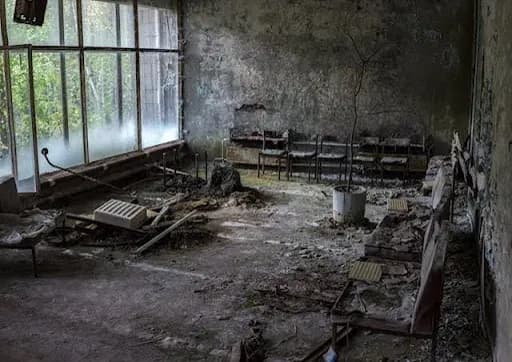
“Tired of Costly Repairs? Sell Your House As-Is!”
California law requires sellers to disclose known fire damage on the Transfer Disclosure Statement. This applies whether you repair or sell as-is - and it means buyers who purchase a fire-damaged home in the Bay Area do so with full knowledge of its history. A properly disclosed as-is sale is a legally clean transaction. Questions about selling your fire-damaged Bay Area home? Reach out
Navigating Insurance and Legalities
Selling a fire-damaged house involves understanding your insurance coverage and meeting legal requirements. From filing claims to disclosing the damage, taking these steps ensures a smoother and more transparent sales process.
Home Insurance Claims for Fire Damage
Insurance often covers repair costs, depending on the policy and the damage. Filing an insurance claim for fire damage involves a few key steps:
- Contact Your Insurance Provider: Notify your insurer about the fire as soon as possible to begin the claims process.
- Document the Damage: Capture photos and videos of all damaged areas to document clear evidence for your claim.
- Work with an Adjuster: An adjuster from your insurance company will visit to assess the damage. They will also provide an estimate for the repair costs.
- Submit Necessary Documentation: Provide receipts, repair estimates, and any other requested information.
- Understand Your Coverage: Check your policy. Confirm what repairs and costs it covers. This includes structural damage, smoke cleanup, and temporary housing.
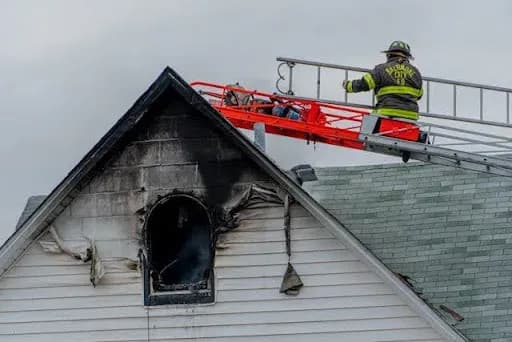
Wildfire Insurance Policies
Having wildfire insurance is essential if your property is in a high-risk area. These policies often include specific terms for fire damage repair and rebuilding.
- Wildfire Insurance Coverage: Many home insurance policies don’t fully cover wildfire damage. So, it’s often necessary to buy additional wildfire insurance.
- Higher Premiums: Properties in wildfire-prone regions face higher insurance premiums because of the increased risk.
- Buyer Concerns: Potential buyers may hesitate due to ongoing risks. So, it is crucial to highlight preventive measures. This includes creating defensible space, using fire-resistant materials, and highlighting recent upgrades.
- Disclosure Requirements: Sellers must often disclose wildfire risks and past fire damage. This ensures transparency.
Disclosures for Fire Damage
You must disclose fire damage when selling a house, per California law. Transparency not only builds trust but also protects you from future legal disputes. Key considerations include:
- Legal Requirements: Sellers must follow state laws. They usually require full disclosure of fire damage, including repairs and any issues.
- Building Permits: If repairs are made, permits can assure buyers. They show that the work was done well.
- Buyer Confidence: Being upfront about fire damage can build trust. It helps close deals, especially with cash buyers like John Buys Bay Area Houses.
Working with Cash Home Buyers
This option is perfect for those who want a quick, stress-free sale! Selling to cash home buyers can be a game changer for homeowners with fire-damaged homes. Companies like John Buys Bay Area Houses simplify things. They buy properties in as-is condition.
Benefits of working with cash buyers:
- Speedy Transactions: Cash home buyers can close deals quickly, often in a week. This cuts out the long wait times of traditional sales.
- Convenience: Skip the hassle of staging, showings, and negotiations, as cash buyers simplify the entire process.
- As-Is Sales: Cash buyers buy properties as-is. No need for costly repairs or to fix fire damage.
Additional Considerations
When selling a fire-damaged house, address issues like smoke damage and fire safety. Taking these extra steps can make your property more attractive to buyers and speed up the selling process.
Smoke Damage Cleanup
Even if the fire didn’t cause extensive damage, smoke can linger and reduce the home’s appeal. Smoke remediation services can remove odors and soot. This makes the property more marketable.
Fire Safety Inspections
Some buyers may request a fire safety inspection before closing. Meeting basic fire safety requirements can make your property more appealing to potential buyers.
From Fire to Sale: Closing the Chapter on Your Damaged Property
Selling a fire-damaged home in California is a multi-step process - but it’s not an impossible one. The most important decisions are whether to restore before listing or sell as-is, how to maximize your insurance settlement, and whether the timeline of a traditional sale aligns with your financial and personal situation. For most Bay Area homeowners who have experienced a significant fire, the as-is cash sale route eliminates the risk of over-investing in repairs on a home you no longer want to own.
If you’re dealing with fire damage in Benicia, Brentwood, Corte Madera, or anywhere in the Bay Area, John Buys Bay Area Houses can provide a straightforward cash offer on the property as-is - no repairs required and no agent commissions.
For homeowners who are ready to move past the damage and close this chapter, a cash sale provides the fastest path to a fresh start - without the months of contractor timelines, insurance disputes, and open houses that a traditional SF Bay Area listing requires.
FAQs about How to Sell a Fire-Damaged House
How much does fire damage repair cost?
Fire damage repair costs vary with the severity of the damage. They can vary anywhere from $5,000 to over $50,000.
Do I need to disclose fire damage when selling a house?
Yes, California law requires sellers to disclose any known fire damage to buyers.
Can I sell my fire-damaged house as-is?
Absolutely. Selling as-is to cash buyers is a popular option for homeowners. It avoids repairs and speeds up the process.
Does home insurance cover fire damage?
Most home insurance policies cover fire damage. However, be sure to review your policy for specific terms and exclusions.
How long does fire damage restoration take?
Restoration timelines depend on the damage. The timeline can range from a few weeks to several months.